The much-touted India-US strategic partnership, once hailed as a cornerstone of the Indo-Pacific order, appears to have hit significant turbulence in recent years. While official statements from both sides continue to project warmth and shared democratic values, underlying resentments in India are growing. Many Indians perceive the US as increasingly transactional, hypocritical on issues of sovereignty, and quick to interfere in India’s internal matters while pursuing its own geopolitical and economic agendas.
This perception stems from a series of events: renewed US engagement with Pakistan amid India-Pakistan tensions, persistent criticism of India’s domestic policies on religion and minorities, reports of rising racism and profiling against Indian communities and even high-level figures in the US, and heavy-handed trade pressures. Despite leadership on both sides emphasizing “all is well,” public trust in the US as a reliable partner is eroding fast in India. A relationship built on mutual respect cannot thrive if one side feels constantly lectured, pressured, or taken for granted.
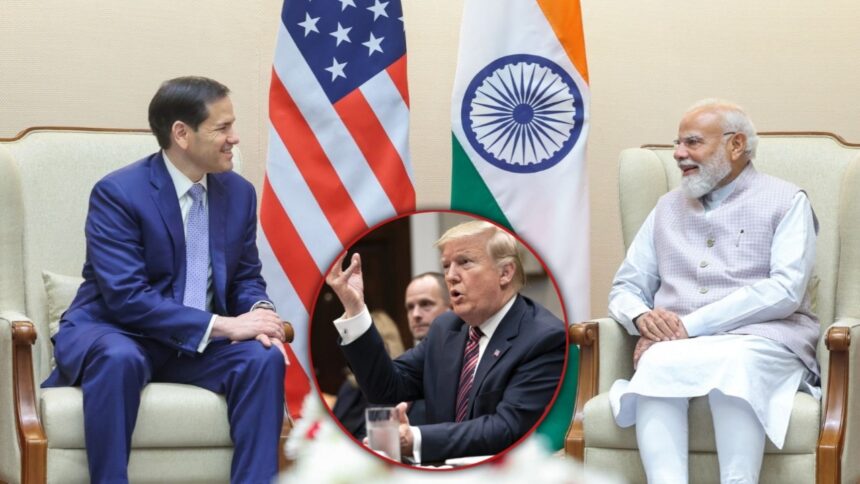
U.S. Secretary of State Marco Rubio embarked on his first official visit to India from May 23 to 26, 2026, arriving in Kolkata before proceeding to Agra, Jaipur, and New Delhi. The trip, widely viewed as a “repair mission” amid strained bilateral ties, aims to rebuild trust and deepen cooperation in key areas including trade, energy security, defense co-production, critical minerals, and technology.
Rubio is scheduled to hold high-level meetings with Prime Minister Narendra Modi, External Affairs Minister S. Jaishankar, and National Security Advisor Ajit Doval, while also participating in the Quad Foreign Ministers’ Meeting in New Delhi on May 26 alongside counterparts from Japan and Australia
The visit comes at a sensitive juncture, following U.S. tariffs on Indian goods, differences over Russian energy imports, and perceptions of renewed U.S. engagement with Pakistan. Discussions are expected to focus on offering alternative energy sources to reduce India’s dependence on Russia, advancing defense partnerships, and addressing trade frictions to support the goal of $500 billion bilateral trade. Rubio’s multi-city itinerary, blending cultural outreach with strategic talks, underscores Washington’s effort to reset the relationship on more equitable and forward-looking terms.
Key Friction Points: Why India Finds It Hard to Fully Trust the US
Since Donald Trump assumed office for his second term in January 2025, India-US relations have experienced a turbulent mix of high-level engagement, strategic initiatives, and significant friction. The year began on a promising note with Prime Minister Narendra Modi’s early visit to the White House on February 13, 2025, where the two leaders launched the COMPACT initiative (Catalyzing Opportunities for Military Partnership, Accelerated Commerce & Technology) to boost defense co-production, technology collaboration, trade, and energy ties, including ambitions for bilateral trade to reach $500 billion.
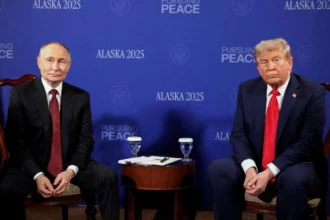
However, ties soon faced headwinds. In May 2025, during a brief but intense India-Pakistan conflict, Trump repeatedly claimed credit for mediating a ceasefire and de-escalation assertions firmly rejected by India, which insisted the resolution was achieved bilaterally through military channels. This, coupled with renewed US engagement with Pakistan, raised concerns in New Delhi about “hyphenation” and interference.
Trade tensions escalated sharply in mid-2025 when the US imposed substantial tariffs on Indian goods including a baseline 25% plus additional penalties linked to India’s continued purchase of Russian oil and arms leading to a notable drop in Indian exports and public backlash in India.
There are so many friction points hurting Indo – US ties.
• Perceived Pro-Pakistan Tilt and Interference in Regional Affairs: During the 2025 India-Pakistan crisis, the US (under Trump) claimed significant mediation credit, which India firmly rejected as bilateral. This, combined with high-level US engagements with Pakistani leadership, revives old suspicions of “hyphenation” treating India and Pakistan as equals despite stark differences in terrorism sponsorship and stability. India sees this as undermining its security concerns.
• Racism and Profiling Against Indians: Reports of surging anti-Indian hate in the US, including online slurs, violence threats, and discrimination linked to H-1B visas and high-profile appointments, have damaged goodwill. Incidents of racial profiling, even extending to perceptions around PM Modi or Indian officials in past administrations, fuel the narrative of deep-seated bias.
• Religious Freedom Interventions and Negative Media: The US State Department and USCIRF reports repeatedly highlight concerns over religious minorities in India, often framed as systemic persecution. India views this as selective interference by the “deep state” and aligned media, ignoring India’s secular constitution and complex social realities while overlooking issues in other partners. This erodes trust, as it feels like using human rights as a geopolitical tool.
• Transactional Trade and Defense Pressures: The US has pressured India to reduce Russian oil and arms purchases (with high tariffs as leverage in 2025), while demanding stronger alignment against China. India resents being pushed into a corner — expected to serve US strategic goals without reciprocal sensitivity to its energy security, defense diversification, or strategic autonomy. Recent trade deals show some reset, but the memory of coercive tactics lingers.
• Unaddressed Frictions by Leadership: Indian and US leaders often paper over differences with photo-ops and positive rhetoric. This mismatch between elite diplomacy and ground-level Indian perceptions risks deeper alienation, as ordinary citizens increasingly question the value of a partnership that feels one-sided.
These issues collectively signal a loss of strategic trust. India, as a rising power with options (including deeper ties with Russia, Europe, or pragmatic engagement with China), won’t indefinitely tolerate a relationship that demands loyalty without respecting its core interests.
Why the US Should Invest More Genuinely in India for a Real Partnership
If the US truly wants India as a close, long-term counterweight to China and a pillar of stability, it must move beyond transactionalism. Holding the relationship “hostage” through tariffs, visa restrictions, or public criticisms makes India hedge more aggressively. A deeper investment would yield massive returns:
• Economic Scale and Supply Chains: India’s massive market, young demographic, and manufacturing ambitions offer the US a genuine alternative to China. Reciprocal investments in semiconductors, critical minerals, defense co-production, and tech could create millions of jobs on both sides and build resilient chains. Threatening tariffs undermines this.
• Strategic Depth in Indo-Pacific: India brings unparalleled geographic position, naval presence, and regional influence. A trusted partnership amplifies US leverage without over-reliance on fickle allies. But trust requires the US to respect India’s independent foreign policy, not punish it for buying Russian oil or maintaining balanced ties.
• Shared Democratic Values Done Right: Instead of lecturing on internal issues, focus on collaborative people-to-people ties, education, and diaspora contributions. Addressing racism against Indian Americans would go far in softening perceptions.
• Long-Term vs Short-Term Gains: A transactional approach risks pushing India toward greater strategic autonomy or alternatives. Genuine investment fair trade deals, technology transfers, and restraint on interference positions both as true equals in a multipolar world.
India values the US relationship but won’t sacrifice its sovereignty or interests for optics. For the partnership to endure and strengthen, Washington must demonstrate it sees India as a peer collaborator, not a subordinate supplier. Transparent dialogue on friction points, not denial, is the way forward. The ball is in the US court to rebuild eroded trust.